Thanksgiving break is one of those rare sweet spots in the school year: long enough to breathe, short enough to keep the routine alive. And fall in the Gulf South is genuinely magical: mild temperatures, colorful skies, and a natural world that is wrapping up its year and preparing for winter.
This break is a perfect opportunity to take STEAM learning outside. Here are some of our favorite nature-based STEM adventures that require almost no supplies and tons of curiosity.
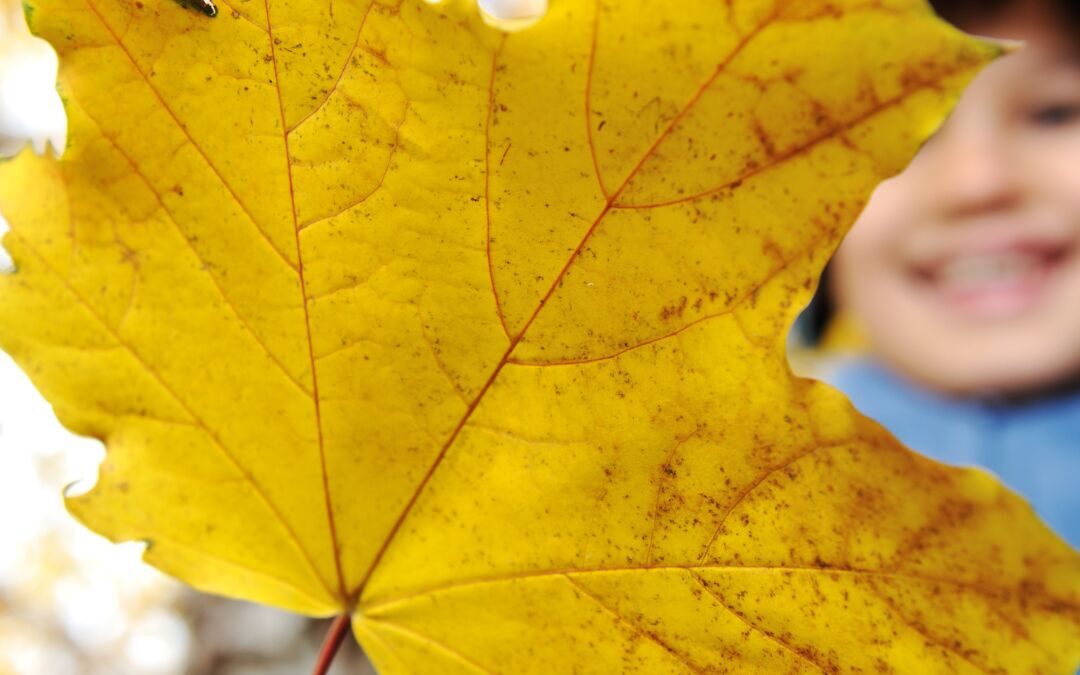
1. Leaf Classification Lab
Collect 10–20 different leaves from your yard or a park. Ask your child to classify them by shape, size, color, and texture. Then challenge them to look up the trees they came from. This is taxonomy, the same system scientists use to organize all living things.
2. Nature Engineering Challenge
Using only sticks, leaves, mud, and rocks found outdoors, challenge your child to build a structure that can hold a small weight (a pinecone, a stone). This tests engineering thinking: stability, balance, material properties. Time them. Let them fail and try again.
3. Weather Station Journal
Over the break, keep a simple weather journal. Record temperature (use a thermometer), cloud types, wind direction, and precipitation each day. Compare your observations to a weather app. Where do they agree? Where do they disagree? Welcome to meteorology.
4. Kitchen Chemistry
Thanksgiving cooking is full of chemistry! Talk about why bread rises (yeast + CO2), why cranberries turn red when heated (anthocyanins), and what makes the turkey brown (Maillard reaction). Science is everywhere in the kitchen.
5. Star Gazing & Constellation Mapping
Fall nights on the Gulf Coast are clear and beautiful. Download a free star-gazing app and take the family outside after dinner. Find 3 constellations and draw them. Talk about the distances involved: those stars are so far away that their light left before your grandparents were born.
The outdoors is the best classroom there is. And the best part? You don't need a curriculum; you just need to notice things together.